
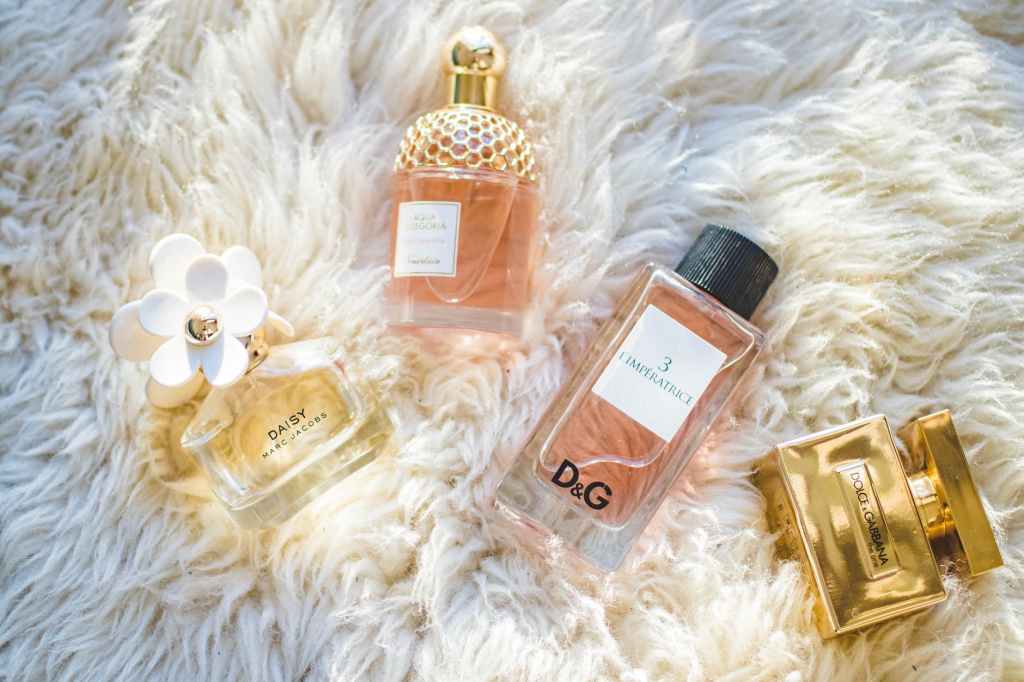
Perfumery, a craft such as civilization itself, has evolved from simple aromatic oils and balsams to a vast industry with a sophisticated palette of scents. This essay will navigate through the main types of perfumes, focusing on their concentration levels, the fragrance wheel, and the innovative approaches that define modern perfumery.
Perfume, derived from the Latin “per fumum” meaning “through smoke,” has been a part of human civilization for thousands of years, originating from the ancient practices of burning incense and aromatic herbs for religious ceremonies. Over centuries, it has transcended its initial ritualistic uses to become a symbol of personal expression and luxury. Today, the world of perfumery is a kaleidoscope of scents, each belonging to distinct categories based on their olfactory characteristics, ingredients, and concentration.
Concentration Levels of Perfumes

The concentration of aromatic compounds in a solvent, typically alcohol, determines the strength, longevity, and pricing of a fragrance. The main types include:
Parfum or Extrait de Parfum: This is the highest concentration, containing 20-30% of aromatic compounds. It is the most expensive and long-lasting, with a depth that unfolds gradually, revealing its base notes over time.
Eau de Parfum (EdP): With a concentration of 15-20%, EdP strikes a balance between intensity and subtlety, offering a lasting fragrance with a moderate sillage.
Eau de Toilette (EdT): Lighter than EdP, EdT contains 5-15% aromatic compounds. It is ideal for everyday wear, offering a fresh scent that lasts for a few hours.
Eau de Cologne (EdC): Historically, this term referred to a light, citrus-based fragrance originating from Cologne, Germany. Today, it denotes fragrances with a 2-4% concentration, suitable for a light, refreshing scent.
Eau Fraiche: The most diluted form, with 1-3% aromatic compounds in water rather than alcohol, offers a subtle hint of fragrance.

The Fragrance Wheel
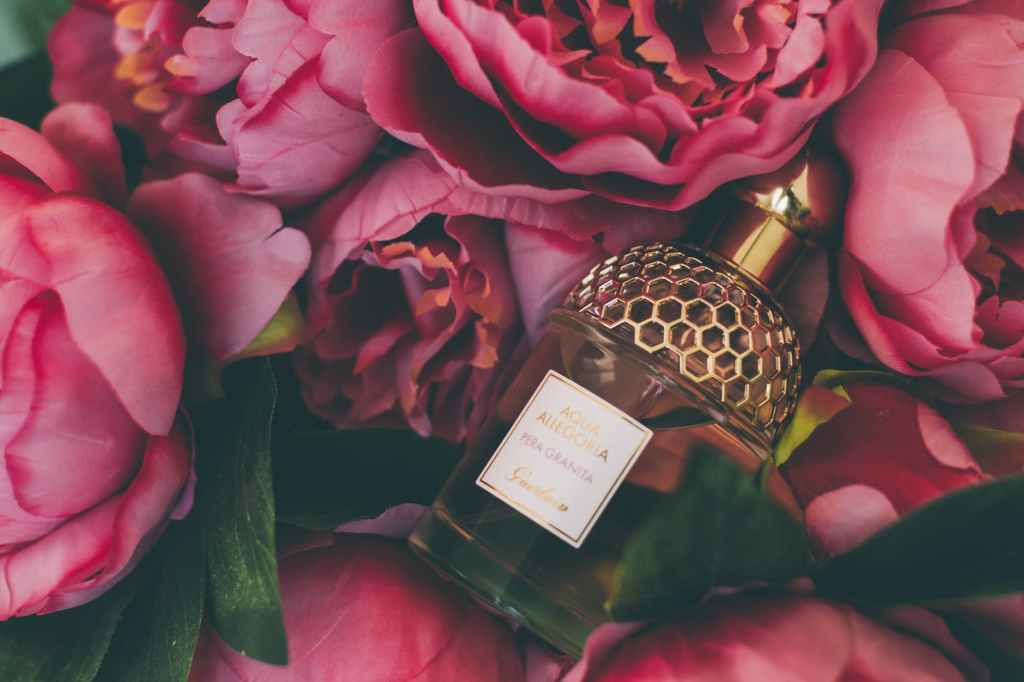
Developed by Michael Edwards in 1983, the Fragrance Wheel is a tool that categorizes scents into four main families—Floral, Oriental, Woody, and Fresh—further divided into subfamilies. This classification helps in understanding the complex world of scents and guiding consumers in their selections.
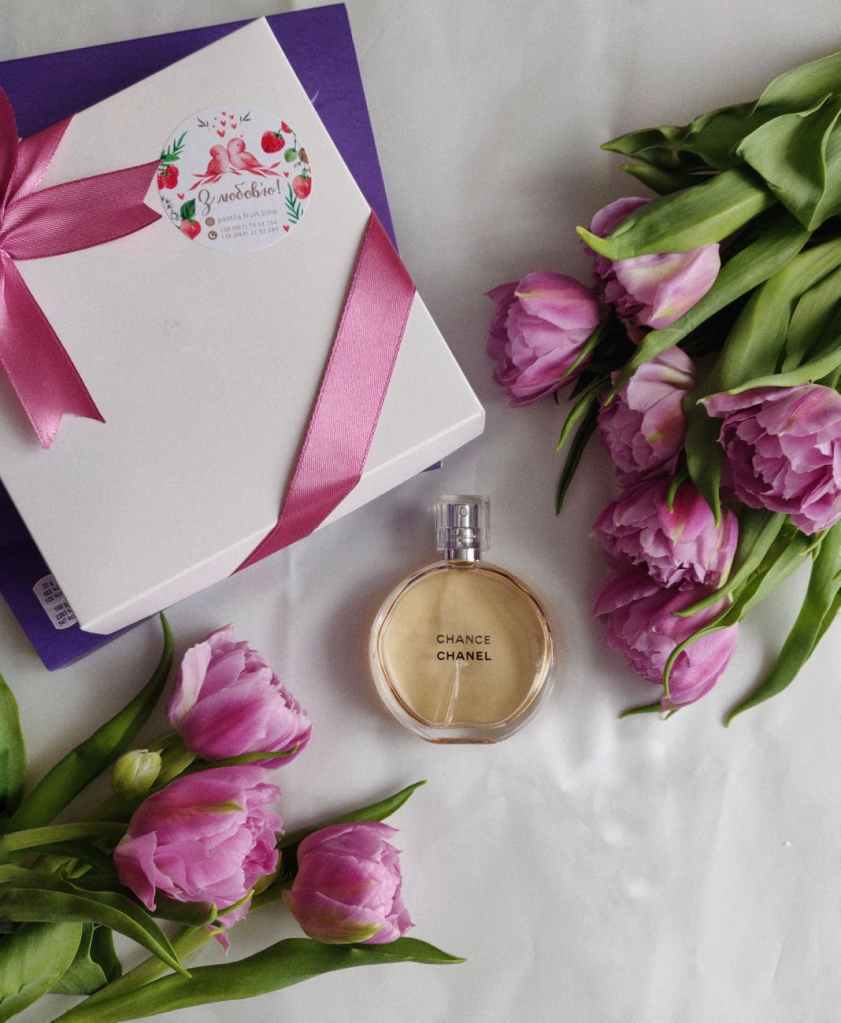
Floral: One of the largest families, it encompasses single flower scents and complex floral bouquets. Subcategories include Soft Floral, Floral Oriental, and Fresh Floral.
Oriental: Rich and sensual, Oriental fragrances are known for their exotic spices, vanilla, and resinous notes. They are divided into Soft Oriental, Oriental, and Woody Oriental.
Woody: Evoking the aroma of forests and fresh-cut wood, this family includes Dry Woods, Mossy Woods, and Aquatic Woods.
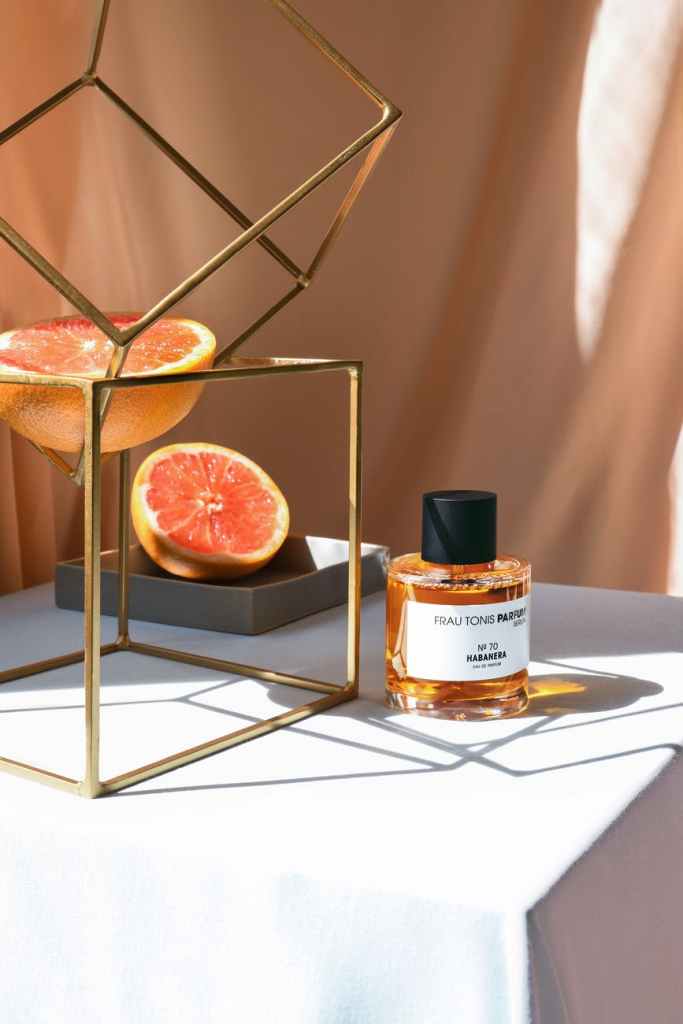
Fresh: Characterized by clean, bright scents, the Fresh family comprises Citrus, Green, and Water subfamilies, offering a revival.
 Beautilicious Bae
Leave a comment